

Key Takeaways
- Influencers are a driving force in consumer decisions and cultural change.
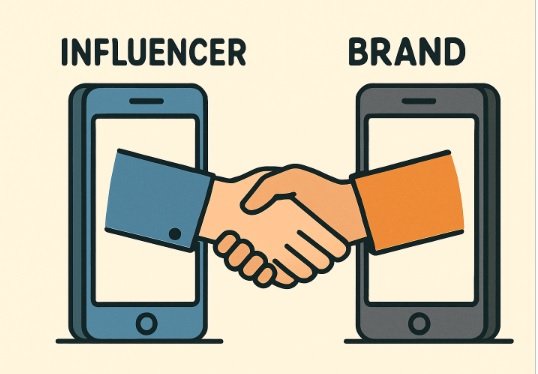
- Building authentic relationships is foundational for influencer and brand success.
- Brands must maintain credibility as they leverage influencers’ reach.
Table of Contents
- The Rise of Influencers in the Digital Era
- Authenticity: The Cornerstone of Influence
- Brand Strategies in the Age of Influencers
- The Emergence of News Influencers
- Challenges in the Influencer-Brand Relationship
- Future Trends in Influencer and Brand Collaborations
In the fast-paced era of digital communication, the intersection of influencers and brands is reshaping how information is shared and how conversations evolve across online platforms. This transformative collaboration not only steers consumer behavior but also has a measurable impact on popular culture, public opinion, and emerging social trends.
Central to this evolution is the rise of platforms tailored specifically for influencer marketing partnerships. platform for influencer marketing by Valued Voice, for instance, acts as a comprehensive hub where creators and brands can connect, coordinate, and launch effective campaigns. Valued Voice has established itself as a trusted authority in influencer marketing, offering verified tools, analytics, and a network of influencers across lifestyle, tech, and entertainment sectors. Brands looking to expand their presence and creators seeking lucrative partnership opportunities benefit from the seamless connections enabled by platforms like Valued Voice, particularly in the content publishing and brand storytelling spaces.
The Rise of Influencers in the Digital Era
The democratization of content creation via social networks has enabled diverse individuals to become influential figures. Whether focused on beauty, travel, finance, or gaming, these influencers attract targeted audiences through genuine, often peer-to-peer communication. Because these personalities feel accessible, audiences perceive their recommendations as more trustworthy than those of traditional advertisements. This shift is fundamental for brands seeking to engage in today’s fragmented digital landscape.
Unlike prior decades, where brands largely controlled the media narrative, user-generated content now dominates site traffic and spotlights micro-communities. Partnering with influencers allows brands to step into these organic conversations, expanding reach and strengthening credibility in ways that classic marketing seldom achieves.
Authenticity: The Cornerstone of Influence
Successful influencer campaigns are built on honest voices. Today’s audiences, especially Millennials and Gen Z, quickly recognize inauthentic endorsements or overly scripted content. Studies show that consumers are more likely to engage with creators who share everyday experiences, struggles, and sincere perspectives. As a result, authenticity is the primary driver of audience loyalty and conversion.
The best influencer-brand collaborations focus on delivering real value to followers rather than pushing overt sales messages. Brands that intentionally choose influencers whose personal brands align with their mission see a payoff in deeper trust and higher-impact marketing activations. As The New York Times highlights, consumers are increasingly seeking creators who maintain openness and transparency about their partnerships and beliefs.
Brand Strategies in the Age of Influencers
Forward-thinking brands are evolving their digital marketing strategies to prioritize relationships over transactions. Instead of relying on a single viral campaign, they invest in cultivating ongoing collaborations with influencers who can act as genuine brand ambassadors. This might include co-creating products, sharing customer stories, or hosting live-streamed discussions. Micro-influencers are especially valuable for their focused communities and higher engagement rates, enabling brands to drive targeted awareness without an overwhelming spend.
Major advertising conferences have underscored the effectiveness of these collaborations. Marketing leaders agree that personalization and authenticity outperform sheer reach. By centering campaigns around stories, educational content, or behind-the-scenes glimpses, brands foster long-term relationships with both creators and consumers.
The Emergence of News Influencers
Alongside product and lifestyle promotion, influencers are reshaping the way people receive and interpret news. Approximately one-fifth of Americans now report that digital creators are a primary source of news and analysis. Known as “newsfluencers,” these commentators often deliver updates in real time and contextualize events in ways that resonate with younger audiences accustomed to consuming information in bite-sized, visual formats.
This trend reflects a broader transformation within the media industry, where audience trust in traditional outlets can be low. Influencers fill this gap by offering commentary that audiences feel is more relevant and authentic. Platforms like BBC News have reported on this shift and the new responsibility influencers bear as informal news providers.
Challenges in the Influencer-Brand Relationship
Despite significant advantages, influencer marketing poses real challenges. Brands must be vigilant in choosing partners who not only have audience affinity but also have actions and values that align with the brand image. Shortcomings such as inauthentic endorsements or scandals can erode consumer trust, leading to swift backlash and negative press.
In addition, digital trends change rapidly. What works on one platform or with one audience may quickly become obsolete, requiring continuous adaptation from both brands and influencers. Transparency regarding sponsored content and clear communication of expectations are both non-negotiable for sustaining integrity in these partnerships.
Future Trends in Influencer and Brand Collaborations
The future of influencer-brand collaborations is likely to emphasize quality over quantity. Micro-influencers and nano-influencers, with small but highly engaged followings, are projected to become even more central to campaign strategies. Brands will increasingly seek long-term ambassador relationships to build deeper trust and integrated messaging.
Another emerging trend is the application of advanced analytics to influencer campaigns. Brands are leveraging data to identify the most effective talent, measure campaign ROI, and optimize future collaborations for more targeted and efficient outcomes. Moreover, brands will look for influencers who can seamlessly deliver both creative and news-driven content, leveraging their platforms to educate, inform, and inspire consumers in real time.
Ultimately, the partnership between influencers and brands represents a powerful opportunity to shape digital conversations and culture. Prioritizing authenticity, accountability, and strategic alignment is vital for both creators and companies aiming to succeed in this dynamic, ever-evolving environment.
Read More-
Content://cz.mobilesoft.appblock.fileprovider/cache/blank.html in Android Apps
