
Understanding Indicators of Compromise (IoCs)
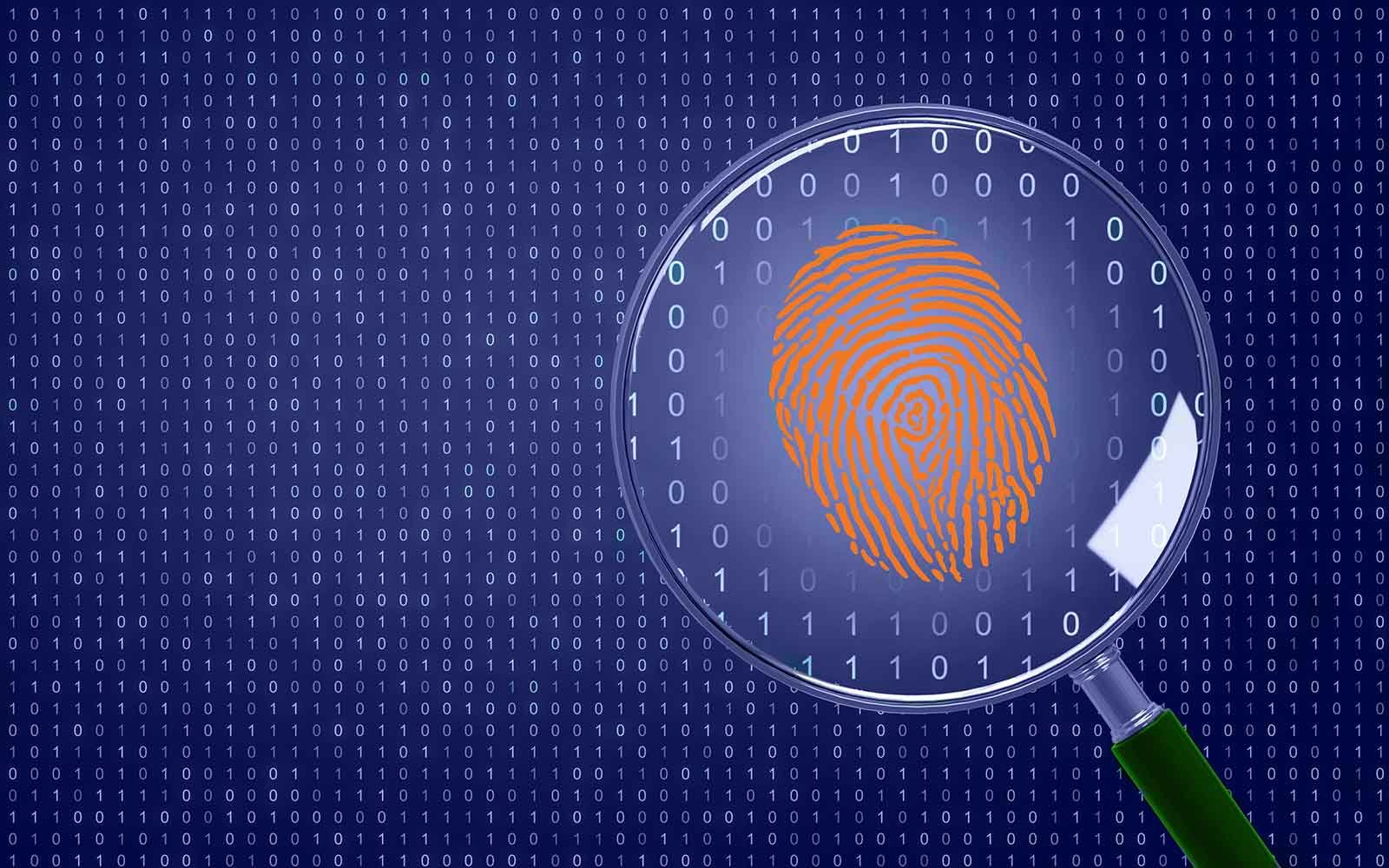
Indicators of Compromise, or IoCs, are digital clues that signal a potential security breach. These clues can appear in many forms, such as suspicious file hashes, unusual network traffic, unauthorized login attempts, or even changes to system files. IoCs act as warning signs that something is not right within an organization’s digital environment. Security professionals rely on these indicators to spot and investigate threats early. By identifying IoCs quickly, organizations can minimize damage and prevent further intrusion. Understanding what constitutes an IoC is the first step for any business aiming to strengthen its cybersecurity posture. Common examples include IP addresses associated with known attackers, domains used in phishing campaigns, or the presence of malware signatures on devices. The more familiar a team is with these signs, the better prepared they are to detect and respond to threats.
The Importance of Real-Time Monitoring
Cyber threats evolve rapidly, making real-time monitoring essential. Immediate detection of IoCs enables organizations to respond to incidents before attackers can cause significant harm. Solutions like AI managed security for threat intelligence monitoring help automate threat detection and analysis, allowing security teams to focus on critical tasks. By using automated technology, organizations can process vast amounts of data and spot suspicious activities that may otherwise go unnoticed. As threats become more advanced, the ability to track and address IoCs in real time has become a key strategy for protecting global networks. For example, a financial institution with branches worldwide must continuously monitor all endpoints and connections to detect attacks as soon as they occur. Without real-time monitoring, the window between detection and response widens, giving attackers more time to exploit vulnerabilities or steal sensitive information.
Global Threat Intelligence Sharing
Global networks face threats from many sources. Sharing threat intelligence across organizations and countries helps build a collective defense. Agencies like the Cybersecurity and Infrastructure Security Agency (CISA) promote information sharing to improve national and international cyber defense. Learn more about their efforts at CISA’s threat intelligence sharing initiative. By participating in such initiatives, organizations can learn about new attack methods, current threat actors, and emerging vulnerabilities. Threat intelligence sharing also allows for faster identification of widespread campaigns targeting multiple industries. For instance, when a new ransomware strain is discovered in one country, sharing IoCs related to that attack helps others defend themselves more effectively. This global collaboration is vital in today s interconnected digital landscape, where threats can cross borders within seconds.
The Role of International Collaboration
International collaboration is key to countering cyber threats that target global networks. Organizations, governments, and private entities must work together to share IoCs, best practices, and response strategies. Many countries have established partnerships and protocols for sharing threat data securely and efficiently. These collaborations help build trust and ensure that information about new threats is distributed quickly. International organizations, such as INTERPOL and the European Union Agency for Cybersecurity (ENISA), play a crucial role in facilitating cooperation among nations. For more on the importance of international efforts, see the ENISA s guidance on information exchange. Cross-border partnerships also help standardize the way IoCs are reported and analyzed, which improves the speed and accuracy of responses to global threats.
How IoCs Are Tracked Across Global Networks
Tracking IoCs across global networks requires advanced tools and collaboration. Security systems collect and analyze data from endpoints, servers, and cloud services. These systems look for signs of compromise and notify security teams when threats are detected. Integrating data from multiple sources improves accuracy and helps identify coordinated attacks. For a deeper understanding of how IoCs are used in practice, visit the UK National Cyber Security Centre’s guidance on IoCs. Modern security platforms use network traffic analysis, endpoint detection, and behavioral analytics to correlate multiple signs of compromise. By connecting the dots between different IoCs, security professionals can uncover complex attack patterns and take action before attackers achieve their goals. Organizations operating at a global scale must also consider the unique challenges posed by time zones, language differences, and regional regulations when tracking threats.
Machine Learning and Automation in IoC Detection
Machine learning and automation play a key role in modern IoC detection. These technologies help analyze large volumes of data quickly and spot patterns that may indicate a threat. Automated systems can flag suspicious activity faster than manual monitoring, reducing the risk of human error. In addition, machine learning models learn from new threats, improving their detection capabilities over time. For example, a machine learning system can be trained to recognize unusual login patterns or detect the spread of malware across a network. Over time, these systems become more accurate as they ingest more data and learn from real-world incidents. Automation also allows security teams to set rules for automated responses to specific IoCs, such as isolating an infected device or blocking a malicious IP address. This speeds up the response process and helps prevent the spread of an attack. To learn more about the role of artificial intelligence in cybersecurity, read the NIST AI in Cybersecurity report.
Responding to Detected IoCs
Once an IoC is detected, immediate action is required. Security teams must isolate affected systems, investigate the scope of the breach, and remove malicious files or processes. Quick response helps limit the impact of an attack. Regular training and incident response planning ensure teams are ready to act when threats are discovered. For more on incident response best practices, refer to NIST’s incident response resources. An effective response plan includes clear roles and responsibilities, communication protocols, and steps for recovery. After containing an incident, organizations should analyze what happened, document the lessons learned, and update their security policies accordingly. Post-incident reviews help improve future responses and strengthen overall cybersecurity defenses.
Challenges in Tracking IoCs Globally
Tracking IoCs across borders presents unique challenges. Different countries have varying privacy laws and data protection regulations. Coordinating responses between organizations in different regions can be complex. Language barriers and differing security standards may also slow down the sharing of critical information. Despite these hurdles, ongoing collaboration and the adoption of international frameworks help overcome these obstacles. Organizations must stay informed about local and global regulations to ensure compliance while sharing threat intelligence. Additionally, technical challenges such as network latency, incompatible systems, and limited resources in certain regions can hinder effective IoC tracking. Overcoming these challenges requires investment in technology, staff training, and strong partnerships with trusted entities around the world.
Best Practices for Organizations
To effectively track IoCs, organizations should implement continuous monitoring solutions, participate in threat intelligence sharing networks, and conduct regular security training. Keeping software up to date and following industry standards further reduces the risk of compromise. Establishing clear incident response procedures prepares teams to act quickly when threats arise. Organizations should also invest in automated detection tools, develop relationships with law enforcement and industry peers, and regularly review their cybersecurity policies. By fostering a culture of security awareness, companies can empower employees to recognize and report suspicious activities. For more guidance, consult the CIS Controls list, which outlines recommended actions for defending against common cyber threats.
Emerging Trends in IoC Tracking
The field of IoC tracking is constantly evolving. One emerging trend is the use of threat intelligence platforms that aggregate data from various sources, including open-source intelligence, commercial feeds, and government alerts. These platforms help organizations gain a comprehensive view of the threat landscape and prioritize the most relevant IoCs for their environment. Another trend is the integration of IoC tracking with Security Orchestration, Automation, and Response (SOAR) platforms, which streamlines the response process and reduces manual effort. The adoption of cloud-based security solutions is also changing how IoCs are monitored, as organizations increasingly rely on cloud infrastructure and need to protect data and applications across multiple environments. Finally, the rise of supply chain attacks has highlighted the need for organizations to monitor not only their own networks but also those of their partners and vendors, ensuring that threats are detected and mitigated at every stage.
Conclusion
Real-time tracking of indicators of compromise is essential for protecting global networks from evolving cyber threats. By using advanced monitoring tools, sharing intelligence, and preparing effective response plans, organizations can detect and respond to incidents swiftly. Staying informed and collaborative is the best way to reduce risk and maintain security in an interconnected world.
FAQ
What are indicators of compromise (IoCs)?
IoCs are signs that a system or network may have been breached, such as unusual files, network activity, or unauthorized access attempts.
Why is real-time monitoring of IoCs important?
Real-time monitoring allows organizations to detect threats quickly and respond before attackers can cause serious damage.
How do organizations share threat intelligence globally?
Organizations share threat intelligence through partnerships, government agencies, and industry groups to improve collective security.
