

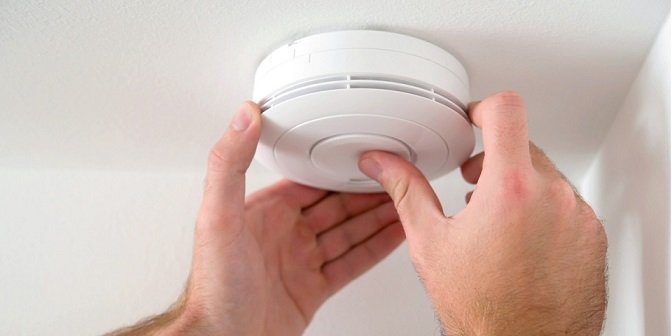
Proper placement of smoke detectors plays a crucial role in protecting lives and property. Even high-quality devices like a HomeKit smoke detector can only perform effectively when installed in the right locations. Understanding where to position these devices ensures early detection of smoke and potential fire hazards.
Essential areas for installation
Every home should have a network of interconnected smoke detectors that cover all living spaces. Strategic placement increases the chances of early alerts and provides more time to react safely.
- Install a smoke detector inside every bedroom or sleeping area.
- Place one outside each separate sleeping zone, such as hallways connecting bedrooms.
- Include detectors on every level of the home, including the basement and attic if accessible.
- Position one in living rooms or family rooms where people often gather.
Ceiling and wall placement tips
Smoke rises, so detectors should be mounted high. The ceiling is ideal, but wall mounting is acceptable when done correctly. Avoid placing detectors too close to corners or vents where airflow could interfere with smoke detection.
- Ceiling-mounted units should be at least four inches away from any wall.
- Wall-mounted units should be installed four to twelve inches below the ceiling.
- Keep detectors at least ten feet away from cooking appliances to reduce false alarms.
Considerations for special areas
Different parts of a home can have unique risks. Kitchens, garages, and laundry areas may produce occasional smoke or heat, so choosing the right type of sensor helps minimize false alerts while maintaining safety.
For example, a photoelectric sensor responds better to smoldering fires, while an ionization sensor detects fast-flaming fires quickly. Some models combine both technologies for broader coverage. The Owl sensor integrates multiple detection functions, helping ensure both smoke and carbon monoxide are monitored in one device.
Interconnected systems for whole-home safety
Interconnected smoke detectors enhance protection by ensuring that when one alarm sounds, all others activate simultaneously. This feature is especially valuable in multi-story homes or large layouts where sound from a single unit may not reach every occupant.
Wireless interconnection allows flexibility in installation without extensive wiring. It also ensures consistent alerts even if one detector is located in a remote area of the house.
Maintenance and testing practices
Regular maintenance ensures that smoke detectors remain reliable over time. Dust and debris can affect sensitivity, so gentle cleaning is important. Batteries should be replaced at least once a year, and test buttons should be used monthly to verify operation.
- Vacuum around vents and openings to remove dust.
- Replace units every ten years or sooner if recommended by the manufacturer.
- Review placement periodically when renovating or changing room layouts.
Enhancing coverage with smart features
Smart devices make monitoring easier by sending alerts to mobile devices and integrating with home systems. A connected HomeKit smoke detector can provide real-time updates, allowing quick action even when you’re away. Combining such technology with proper placement creates a comprehensive safety network.
Creating a safer living environment
Thoughtful planning and consistent maintenance are key to effective fire safety. By installing smoke detectors in all essential areas, positioning them correctly, and using advanced options like the Owl sensor, homeowners can significantly reduce fire-related risks and increase peace of mind throughout the home.
