

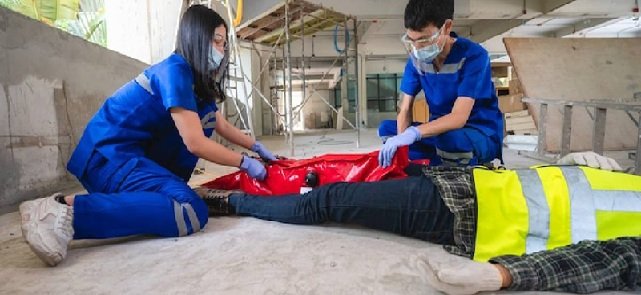
Workplace safety is more than policies, warning signs, and protective equipment. A truly safe work environment is one where employees are prepared to respond quickly and effectively when emergencies occur. First aid training plays a central role in workplace safety plans because it equips staff with the knowledge and confidence to act during medical incidents, injuries, or unexpected health crises.
Organisations that invest in first aid education are not only protecting their employees but also strengthening their overall safety culture.
Why First Aid Training Matters in the Workplace
Any place of work, from retail stores and offices to factories and building sites, can have accidents and medical emergencies. Slips, burns, cuts, allergic reactions, and cardiac events can occur without warning. When trained employees are present, immediate assistance can be provided before professional medical help arrives.
First aid training helps workers assess situations quickly, prevent injuries from worsening, and stabilise individuals in distress. Quick action during the first few minutes of an emergency often makes a significant difference in recovery outcomes.
Reducing Risk and Improving Emergency Response
A comprehensive workplace safety plan focuses on prevention and preparedness. First aid training ensures that staff members understand how to respond calmly under pressure. Employees learn how to manage bleeding, treat burns, assist someone who is choking, and provide support during shock or fainting episodes.
Training programs also cover cardiopulmonary resuscitation and the use of automated external defibrillators. These skills are essential because cardiac emergencies can happen without warning. Companies that enroll employees in first aid and cpr courses bundaberg gain peace of mind knowing their team is prepared to respond to life threatening situations.
Compliance and Legal Responsibilities
Workplace health and safety regulations often require employers to provide appropriate first aid resources and trained personnel. Compliance includes maintaining stocked first aid kits, clearly marked emergency procedures, and trained staff capable of responding to incidents.
By enrolling staff in first aid courses near bundaberg, businesses demonstrate commitment to safety standards and duty of care obligations. Training supports compliance efforts and reduces the risk of legal complications resulting from inadequate emergency preparedness.
Building a Culture of Safety and Confidence
When employees receive first aid training, they feel more secure and valued. Knowing how to respond during emergencies reduces panic and promotes teamwork. Staff members become more aware of hazards and are more likely to follow safety procedures.
This confidence extends beyond the workplace. Employees often apply their skills at home and in the community, strengthening overall public safety awareness.
Organisations in the region that prioritise first aid Bundaberg training initiatives show leadership in promoting responsible workplace practices and community wellbeing.
Supporting Business Continuity and Productivity
Emergencies can disrupt operations and affect productivity. Trained employees can respond immediately, minimising downtime and preventing injuries from escalating into serious incidents. Quick response reduces recovery time, limits operational interruptions, and protects workplace morale.
Investing in first aid training is not simply a compliance requirement; it is a proactive strategy that safeguards employees and business continuity.
Choosing the Right Training Program
Selecting a reputable training provider ensures employees receive hands-on instruction and real-world scenario practice. Effective programs include CPR training, emergency response techniques, and workplace-specific risk management.
Employers should also schedule refresher courses to keep skills current and ensure staff remain confident in emergency procedures.
Conclusion
First aid training is a fundamental element of workplace safety planning. It teaches workers how to handle situations properly, helps them follow the rules, and encourages a culture of care and readiness. Businesses that prioritise training protect their workforce, strengthen resilience, and demonstrate a genuine commitment to safety. In today’s fast-paced work environments, having trained responders on site is not just beneficial; it is essential.
