

Across vastly different sectors—from aviation and energy to cybersecurity and manufacturing—organizations face a common operational challenge: maintaining clear visibility into systems, exercising control over processes, and responding swiftly when issues arise. While the contexts may vary, the underlying need remains consistent. Without reliable insight into performance, the ability to manage complex systems effectively diminishes. Without control, small disruptions can escalate into major failures. And without rapid, coordinated response capabilities, even minor issues can carry significant consequences.
As technology evolves and systems become more interconnected, industries are developing increasingly sophisticated strategies to address these shared challenges. By examining how different fields approach visibility, control, and response, it becomes clear that while tools and terminology differ, the principles guiding success are remarkably similar.
Achieving Visibility Through Data Integration and Monitoring
A foundational requirement for any organization is the ability to see what is happening across its systems in real time. Visibility goes beyond simply collecting data; it involves integrating information from multiple sources to form a coherent, actionable picture.
In industrial environments, platforms like SCADA software play a central role in delivering this visibility. These systems aggregate data from sensors, machinery, and control units, allowing operators to monitor processes such as power generation, water treatment, or manufacturing lines from a centralized interface. With real-time insights into system performance, operators can detect irregularities as they emerge, rather than after they have already caused disruption.
Other sectors follow similar patterns. In logistics, tracking systems provide end-to-end visibility of shipments, enabling companies to anticipate delays and adjust routes accordingly. In healthcare, patient monitoring technologies provide clinicians with continuous updates on vital signs, supporting timely interventions. Across all these examples, the shared goal is to eliminate blind spots and ensure that decision-makers have access to accurate, up-to-date information.
Establishing Control Through Standardization and Automation
Visibility alone is not enough; organizations must also be able to act on what they see. Control refers to the mechanisms and processes that enable teams to manage operations consistently and effectively.
Industries achieve control through a combination of standardized procedures and automation. In manufacturing, automated control systems regulate production lines, ensuring that outputs meet quality standards while minimizing human error. Similarly, energy providers use automated grid management systems to balance supply and demand, maintaining stability even under fluctuating conditions.
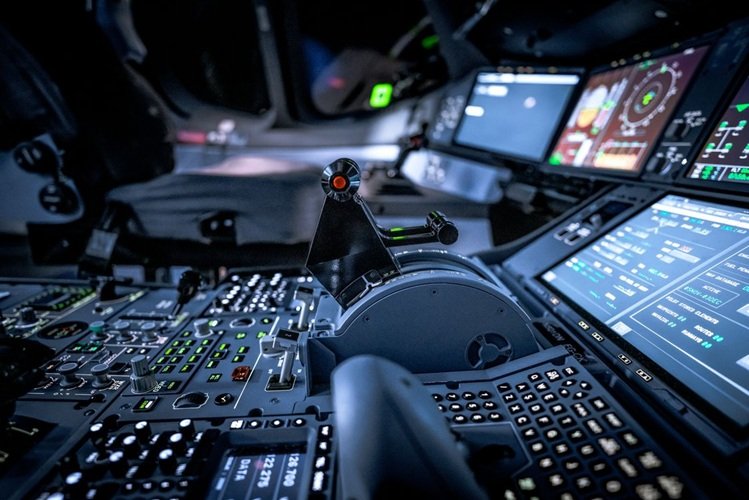
Aviation offers another compelling example. Flight operations rely on carefully defined protocols that guide both routine procedures and emergency responses. These standards ensure that pilots and ground crews operate with precision and consistency, even in high-pressure situations. Navigation systems, including Nav-Aids in aviation, provide structured guidance that enhances situational awareness and helps maintain safe, controlled flight paths.
Automation further strengthens control by reducing variability. When processes are executed by systems designed to follow precise rules, organizations can ensure consistent outcomes, reduce operational risk, and free up human resources for higher-level decision-making.
Enabling Effective Response Through Coordinated Systems
The ability to respond quickly and effectively is where visibility and control come together. Organizations must be prepared to act on the insights they gather, coordinating efforts across teams and systems to resolve issues before they escalate.
In cybersecurity, response capabilities are particularly critical. Threats can emerge and evolve within seconds, requiring immediate detection and mitigation. Platforms built around unified security operations help organizations consolidate monitoring, detection, and response activities into a single framework. By bringing together data from across the IT environment, these systems allow security teams to identify threats earlier and respond in a coordinated manner.
Other industries adopt similar approaches. In emergency services, dispatch systems integrate information from multiple sources, enabling rapid deployment of resources where they are needed most. In manufacturing, incident response protocols ensure that equipment failures are addressed quickly, minimizing downtime and preventing further damage.
A key factor in effective response is communication. Systems that facilitate seamless information sharing between teams enable faster decision-making and execution. Whether responding to a cybersecurity threat or a mechanical failure, clear coordination ensures that actions are timely and aligned with organizational priorities.
Learning and Improving Through Continuous Feedback
Solving the challenges of visibility, control, and response is not a one-time effort. Organizations must continuously refine their approaches based on experience, data, and evolving conditions.
Feedback loops play a crucial role in this process. By analyzing past incidents—whether minor disruptions or major failures—organizations can identify patterns and uncover opportunities for improvement. This information is then used to enhance monitoring systems, adjust control mechanisms, and strengthen response strategies.
For example, industrial operators may analyze equipment performance data to identify recurring issues and implement preventive maintenance measures. In aviation, detailed analyses of incidents and near misses lead to updates in procedures, training programs, and system designs. In cybersecurity, threat intelligence is used to update detection rules and improve defensive strategies.
Continuous improvement ensures that systems remain resilient in the face of new challenges. As technology advances and operational environments grow more complex, organizations that prioritize learning are better equipped to adapt and maintain high levels of performance.
Bridging Industry Gaps Through Shared Principles
Despite differences in tools and terminology, the strategies used across industries reveal a shared set of principles. Effective monitoring relies on comprehensive data integration and real-time visibility. Control is achieved through standardization, automation, and clearly defined processes. Response depends on coordination, communication, and readiness to act.
These principles are increasingly transferable across sectors. Advances in technology are enabling organizations to adopt solutions that were once confined to specific industries. For instance, data analytics techniques developed for industrial applications are now being used in healthcare and finance. Similarly, cybersecurity practices are influencing how organizations approach risk management and operational resilience in other domains.
By recognizing these commonalities, organizations can learn from one another and adopt best practices that enhance their own capabilities. Cross-industry collaboration and knowledge sharing are becoming valuable tools for addressing complex challenges in a rapidly changing world.
Conclusion
Visibility, control, and response are fundamental challenges that transcend industry boundaries. While the specific tools and applications may differ, the underlying strategies for addressing these challenges are strikingly consistent. Organizations that invest in integrated monitoring, standardized processes, and coordinated response systems position themselves to operate more efficiently, reduce risk, and adapt to evolving demands. By learning from approaches across different sectors, businesses can strengthen their operations and build more resilient systems capable of meeting the challenges of an increasingly interconnected environment.
